Grid Instability
Intermittent renewable generation creates unpredictable load imbalances that traditional SCADA systems can't detect and respond to fast enough.
 Engineering intelligence. Let’s talk
Solution pack / Magistrala
Modernize energy infrastructure management with a pre-built IoT platform covering grid monitoring, renewable generation, load balancing, and demand response. The Smart Energy Pack delivers enterprise-grade telemetry and analytics without weeks of integration work.
Why Magistrala
Magistrala's high-throughput message bus and persistent time-series store handle the sub-second telemetry volumes that energy grid monitoring demands, while the rules engine enables automated load control actions without any custom middleware development.
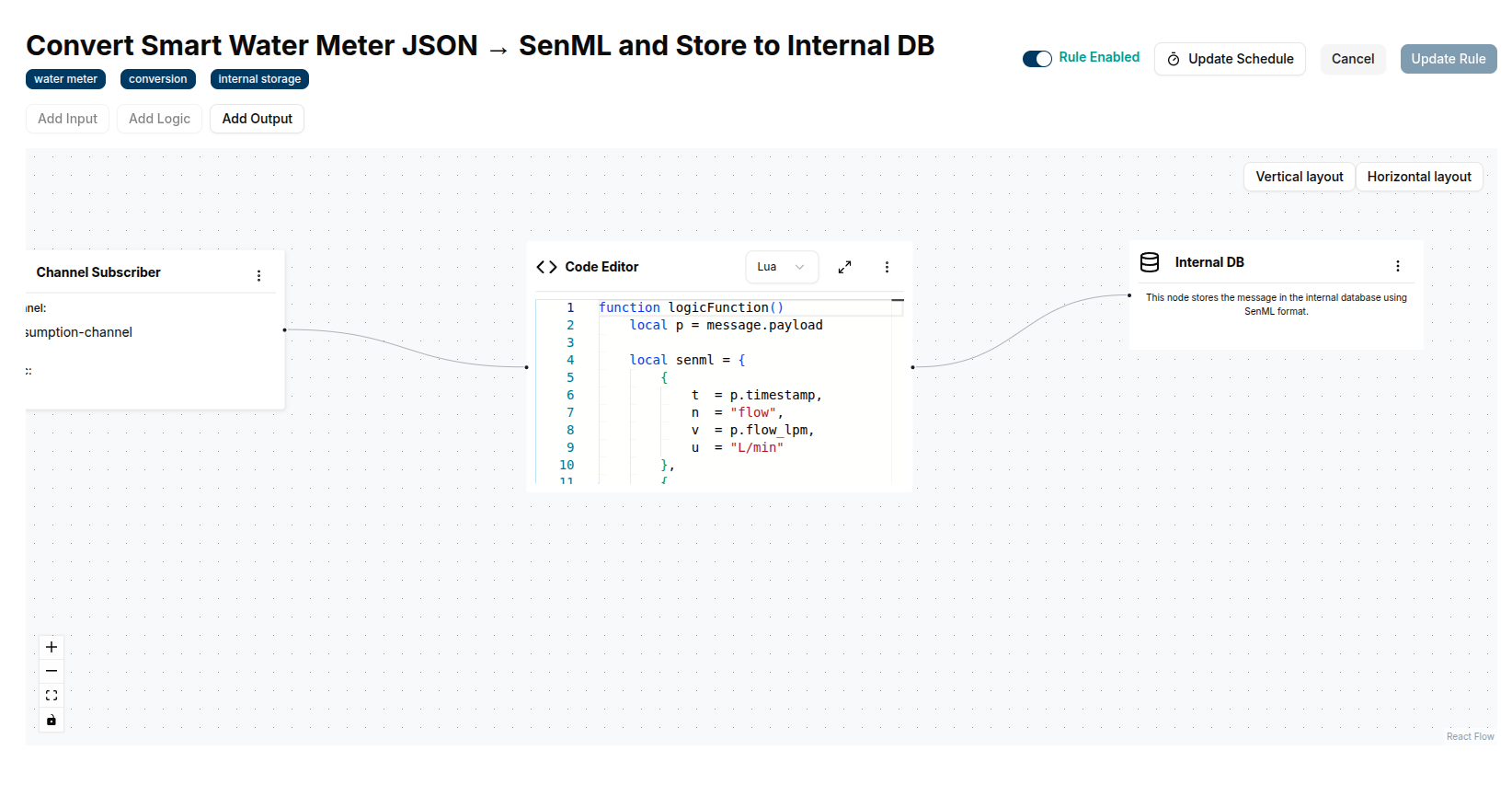
Explore the platformPlatform dashboards
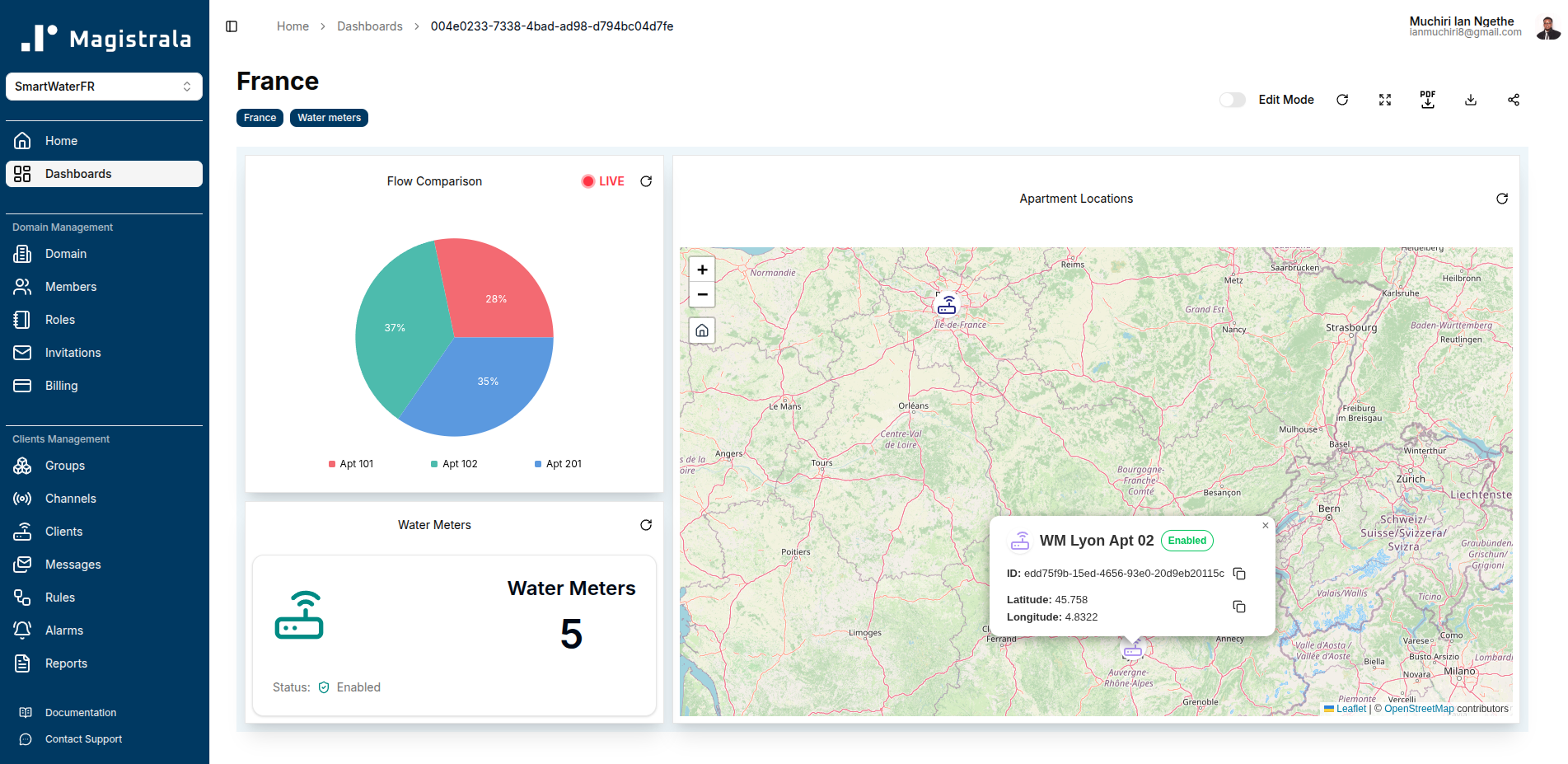
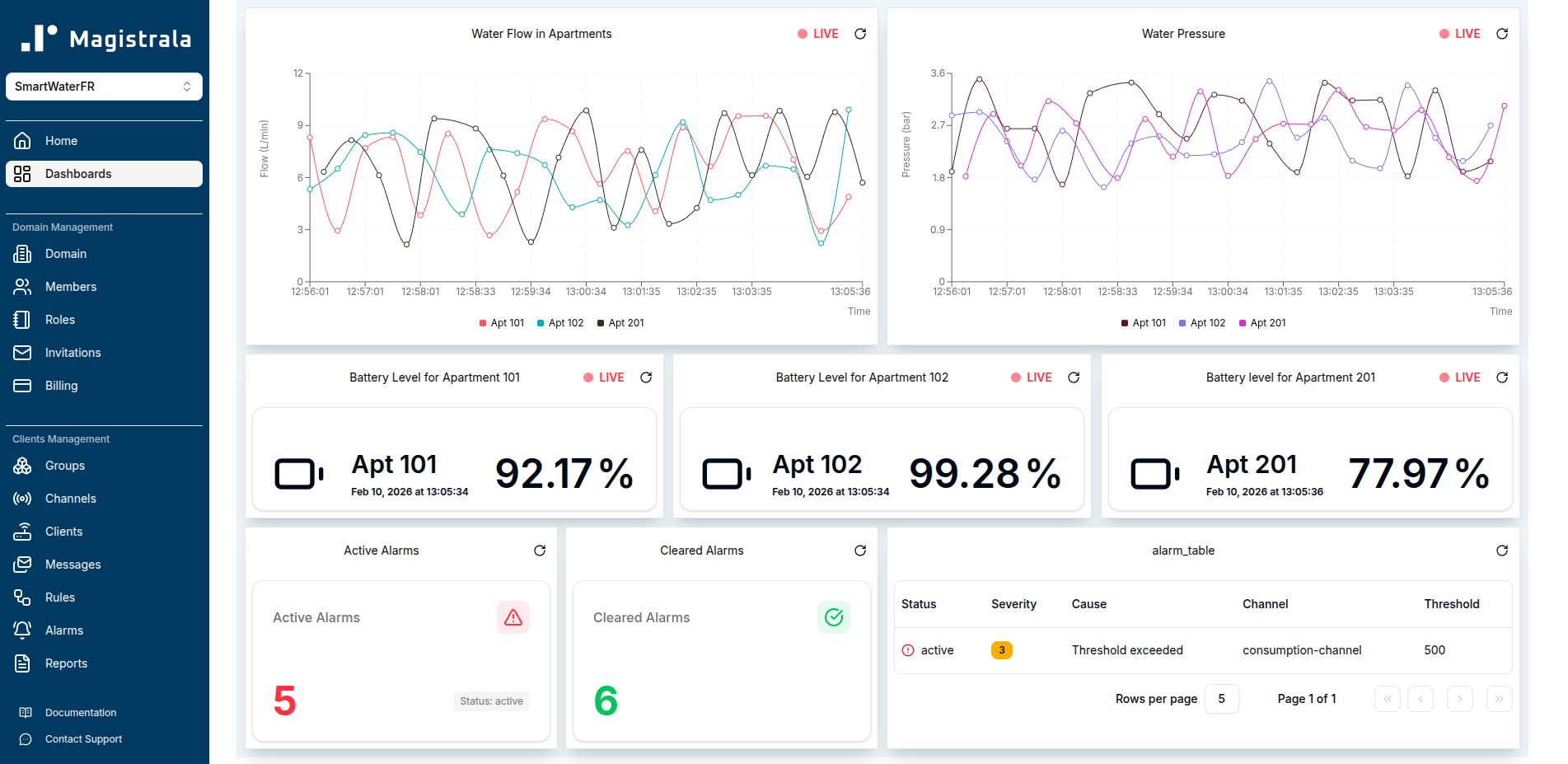
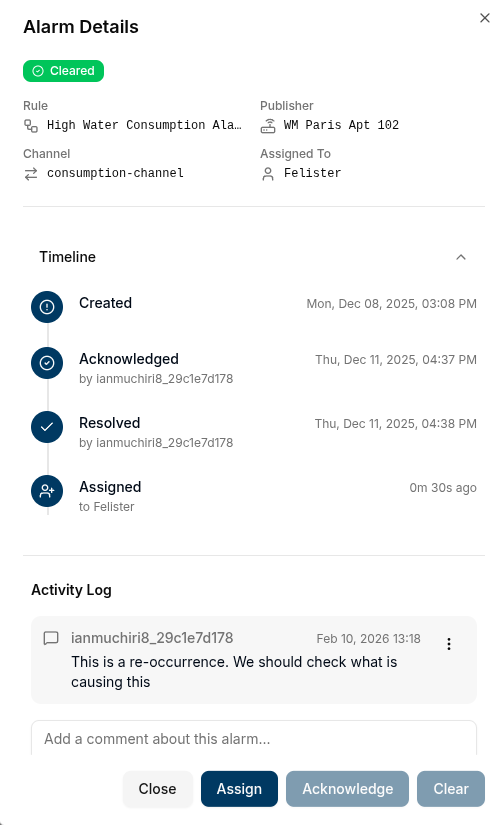
Purpose-built dashboards for every layer of your smart energy deployment.
The challenge
Distributed renewables, EV charging, and prosumer energy flows are pushing traditional grid management to its limits.
Intermittent renewable generation creates unpredictable load imbalances that traditional SCADA systems can't detect and respond to fast enough.
Distribution networks lack sensor density, creating blind spots where faults develop undetected until customers report outages.
EV adoption and heat pump growth are creating new demand peaks that existing capacity planning models weren't designed for.
How it works
From grid edge to operations center, real-time intelligence at every voltage level.
Smart meters, inverters, and grid sensors stream high-frequency power quality and energy flow data into Magistrala over MQTT or HTTP at configurable intervals.
Incoming telemetry is timestamped, normalized by channel type, and partitioned by asset group (generation, distribution, or consumption) for clean analytics.
Pre-configured power quality rules detect voltage excursions, harmonics, overloads, and anomalous consumption patterns in real time, firing alarms before damage occurs.
Operators receive actionable alarms. Demand response rules can trigger downstream actuation: load shedding, storage dispatch, or curtailment signals.
Applications
What energy operators are running on this pack
Automated demand response programs shed controllable loads during peak periods, reducing grid stress and avoiding costly peak tariff charges.
Real-time solar and wind generation tracking with curtailment alerts, yield forecasting, and performance benchmarking.
Voltage sag, swell, and harmonic distortion detection across distribution feeders, enabling rapid fault isolation before customer impact.
Automated daily and monthly energy balance reports for utility billing reconciliation, regulatory submission, and carbon accounting.
Benefits
FAQ
Magistrala natively supports MQTT, HTTP, CoAP, and WebSocket. Smart meters and inverters using Modbus, IEC 61850, or DNP3 connect via an external protocol adapter.
Demand response rules monitor real-time load and generation data against configurable thresholds. When a threshold is breached, the rules engine triggers load-shedding commands and notifies dispatch operators.
Yes. Magistrala's multi-tenant architecture lets you organize substations, feeders, and distributed energy resources into separate domains with their own access policies.
Sub-second telemetry resolution captures voltage sags, harmonics, and frequency deviations. Automated daily and monthly compliance reports are generated from raw event data.
Your next step
Start free on Magistrala Cloud, or contact us to scope a custom deployment for your organisation.
More solution packs
Most utilities find out about burst pipes from tenant complaints. This pack connects your meters and sensors to a single platform, catches problems in seconds, and files weekly compliance reports automatically.
Digitize urban infrastructure and unify civic command centers. Monitor traffic, energy, and public utilities from a single platform.
This pack connects your cold room sensors to a single platform, fires HACCP alarms the moment a threshold is crossed, and delivers automated compliance reports.